
Treatments
Areas of Expertise
From rhinoplasty and aesthetic nasal surgery to every other area of Ear, Nose and Throat, Prof. Dr. Esra Eryaman Yel draws on more than thirty-five years of experience to offer each patient an individual assessment and treatment plan.

Functional & Aesthetic Nasal Surgery
Rhinoplasty & Nasal Aesthetics
The nose shapes the overall expression of the face, and it is also at the centre of healthy breathing. Rhinoplasty is the operation that changes the outer appearance of the nose. When a deviated septum inside the nose is corrected at the same time, the procedure is called septorhinoplasty.
The key principles are not over-resecting the bony framework, not narrowing the nasal passage and preserving the dynamic structure of the nasal tip. A rhinoplasty performed on these principles gives a nose that looks natural from the outside and breathes well on the inside. Surgery can be performed with an open or closed technique; in difficult cases the open technique gives better control of the tip and the septum.
Each patient’s anatomy — thin or thick skin, a dorsal hump, the position of the tip — is assessed individually, and a personal surgical plan is made accordingly.
When the nasal bridge is straight and the problem is limited to the tip, a more limited procedure — tip plasty — can be performed on its own. A drooping, large, long, wide or asymmetric tip can be corrected this way; usually only tape is needed afterwards and there is no bruising on the face.
The decision process starts with an assessment of the patient’s photographs, a detailed discussion of expectations and an analysis of how the nose fits the rest of the face. The goal is a natural, personal result that does not look operated.

Nasal Obstruction & Breathing Assessment
Snoring Treatment
Snoring is often linked to reduced airflow through the nose, most commonly caused by a deviated septum and enlarged turbinates. When the nose is blocked, the lungs have to work harder, the soft tissues of the upper airway tend to collapse, and the result can range from disturbed sleep and daytime fatigue to obstructive sleep apnoea.
The inside of the nose is examined endoscopically, with further tests when needed, to find the source of the snoring. Septoplasty and turbinate reduction are usually outpatient procedures and, in suitable patients, can be combined with rhinoplasty in the same session for both an aesthetic and a functional result.
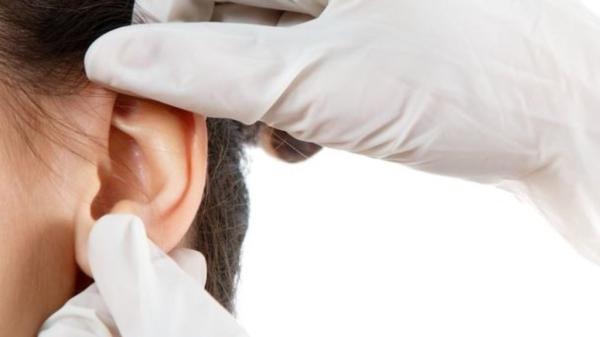
Ear Shape & Position
Otoplasty
Otoplasty is a surgical procedure that corrects concerns about the shape of the ear or its angle to the head, such as prominent ears. It can be performed at a wide range of ages, from childhood to adulthood, and is usually a day-case procedure.
The aim is a natural-looking ear in proportion with the face; recovery is usually short and comfortable.

Diagnosis & Treatment
General ENT
With more than thirty-five years of clinical experience in Ear, Nose and Throat and Head and Neck Surgery, Prof. Dr. Esra Eryaman Yel diagnoses and treats a wide range of conditions, including nasal and sinus disease, hearing and balance (vertigo) problems, tonsils and adenoids, and voice and throat disorders.
Every patient receives a detailed examination and a personal treatment plan, supported by further tests when needed.
Your Questions
Frequently Asked Questions
The questions our patients ask most often before rhinoplasty, with short answers.
Is rhinoplasty a painful operation?
Rhinoplasty is not a painful operation. Nasal packing may cause mild discomfort, but the ointment-coated packs do not stick to the tissues and are removed without pain.
Can the nasal bridge collapse after rhinoplasty?
If too much bone is removed from the bridge, a collapse or a “parrot beak” deformity can occur. That is why avoiding over-resection and aiming for the most natural result possible are essential.
Is rhinoplasty different for men?
Yes. Male noses usually have thicker skin, a more prominent hump and are wider and longer. For a natural, masculine look the hump is reduced while leaving a slight line, and the nasolabial angle is planned accordingly.
Will there be bruising and swelling after rhinoplasty?
Short-term bruising and swelling can occur, depending on the patient’s tissues. Cold compresses during the first 3 days reduce swelling, and after about 2 weeks most of the bruising and swelling has gone.
Is nasal packing used after rhinoplasty?
When the septum is also corrected, an ointment-coated pack (Bactigras) is usually left in place for 1 day to prevent bleeding. It is removed easily and painlessly.
Contact Us for an Initial Consultation
We are happy to answer your questions and to work out the treatment plan that suits you best together.